
Earth Science Program

The Earth Science program provides opportunities for students to explore the fundamentals of earth science through astronomy, geology, hydrology, oceanography and meteorology. Each earth science course fulfills the general education requirement for non-science and science majors.
Depending on the pathway you choose, earth science courses involve geology of the earth, climate and global change, introduction to the solar system, hydrology and oceanography.
Earth sciences focuses on global, dynamic and innovative issues. A combination of hands-on lab experiences as well as online instruction in labs and non-labs is offered. Follow a pathway in earth sciences or graduate with a general Associate in Science degree.
Choose an Earth Science Program

Astronomy
Discover the structure and evolution of the solar system, birth, life, and death of stars, properties of galaxies and main concepts of cosmology.

Geology
Understand the earth's interior and learn about heat flow, the earth's magnetic field, earthquakes and more.

Hydrology
Investigate and analyze the impacts of population growth, urbanization, weather and climate upon hydrological processes and water resource sustainability.
Meteorology
Learn about all aspects of meteorology including solar radiation, global circulation, environmental issues, winds, stability, precipitation processes, weather systems and severe weather.
COD Stories
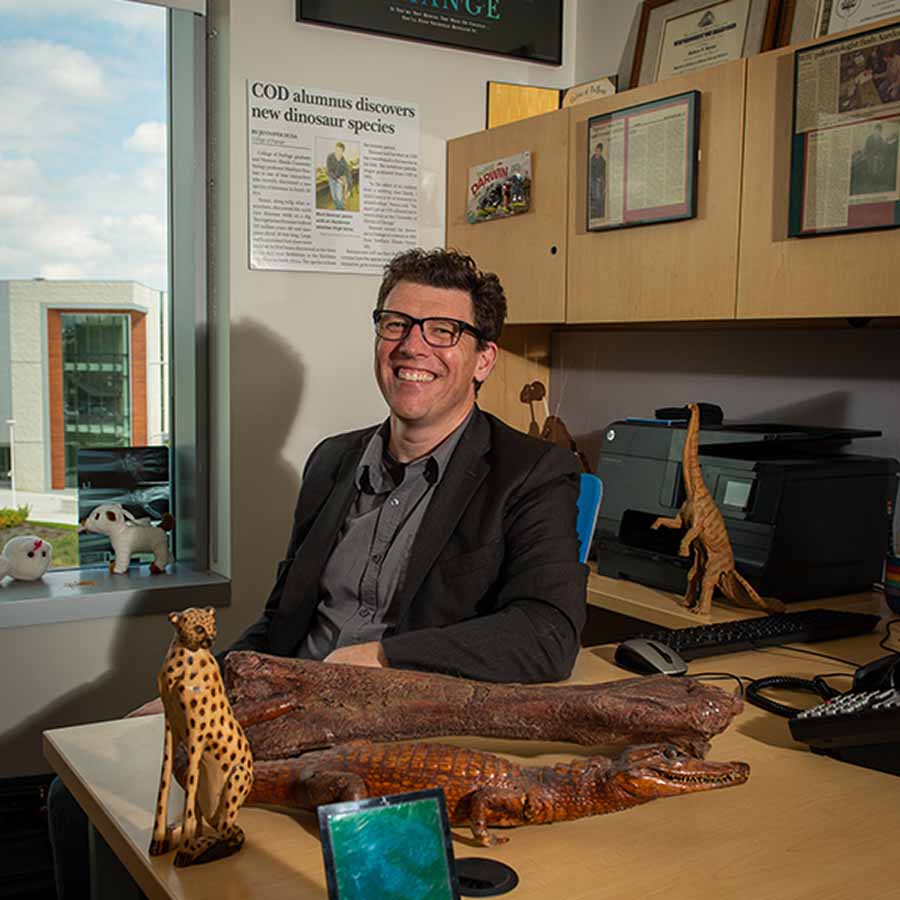
COD felt very personal, and the professors really cared about you.Matthew Bonnan Read Matthew Bonnan's story

Everyone at COD will be more than happy to help you, and they want you to know that you are not alone.Damonte Woodall Read Damonte Woodall's story
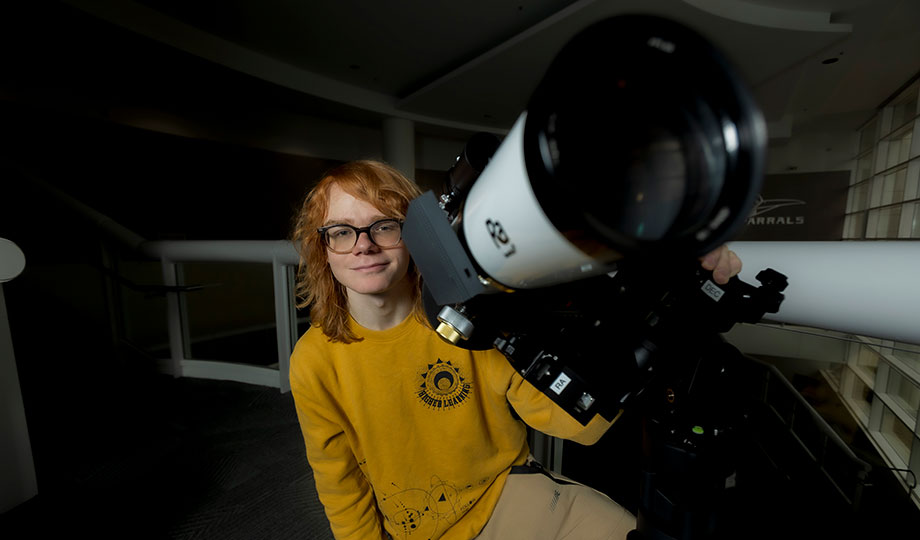
COD has given me the environment to grow as a leader, something I have always really wanted to work on.Pierson Lipschultz Read Pierson Lipschultz's story

I went into it just to meet a science requirement. I came out of it knowing that it was what I wanted to do.Karissa Klos Read Karissa Klos's story
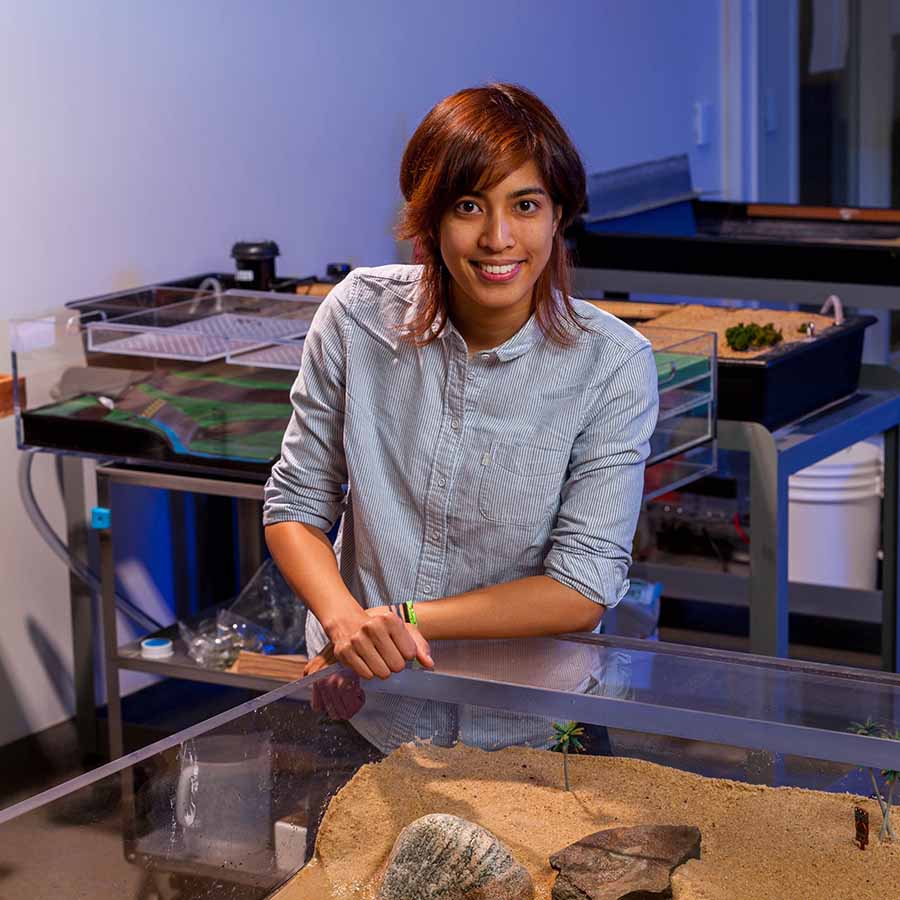
Everything I’m doing now I first learned about at College of DuPage.Julianne Fernandez Read Julianne Fernandez's story
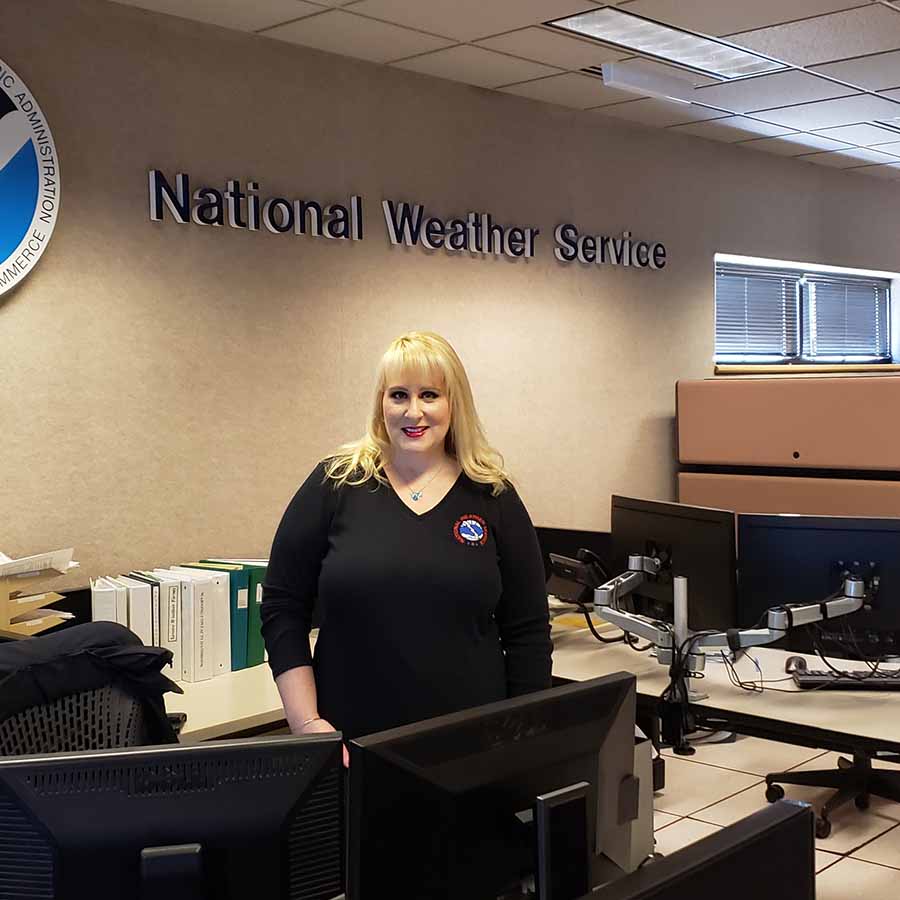
Because of all the meteorology classes that were offered at COD, I definitely felt that I had a distinct advantage when I transferred to Northern Illinois University.Christine Wielgos Read Christine Wielgos's story

Take the Next Step
Whether you’re exploring, applying or planning your path, COD makes it easy to get started.
© College of DuPage